Registrieren Passwort vergessen?

TrueCrypt 6.0 veröffentlicht (Benchmark)

6. Juli 2008, 14:01

Am vergangenen Freitag wurde eine neue Version des beliebten Open-Source-Verschlüsselungstools TrueCrypt veröffentlicht. Die Version 6.0 beherbergt dabei zahlreiche Features, die nicht nur die Datensicherheit sondern insbesondere auch die Performance verbessern sollen.

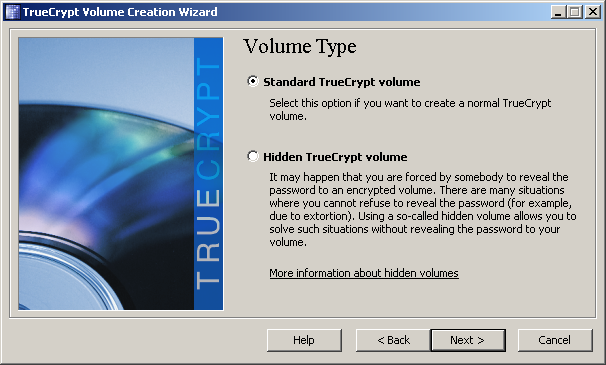
Zu den größten Neuerungen gehört ohne Frage die neu hinzu gekommene Multi-Core-Unterstützung, welche dem Programm auf Dual-/Mehrkern- oder Multi-Prozessor-Systemen zu einer deutlich verbesserten Performance bei der Ver- und Entschlüsselung der Daten verhilft. Bislang liefen jene Prozesse lediglich auf einem Prozessorkern. Zudem ist es nun möglich, versteckte Betriebssystem-Volumes zu erstellen. Läuft das System in einem versteckten Container, werden aus Sicherheitsgründen sämtliche nicht-verschlüsselte oder nicht-versteckte Volumes auf read-only gesetzt, sodass eine Datenveränderung auch tatsächlich nur in dem versteckten Volume möglich ist.

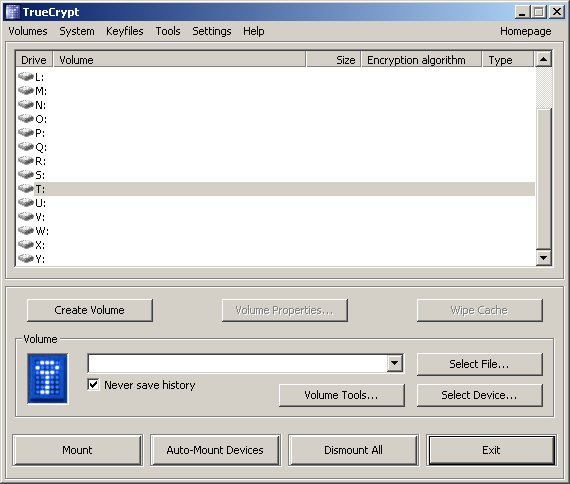
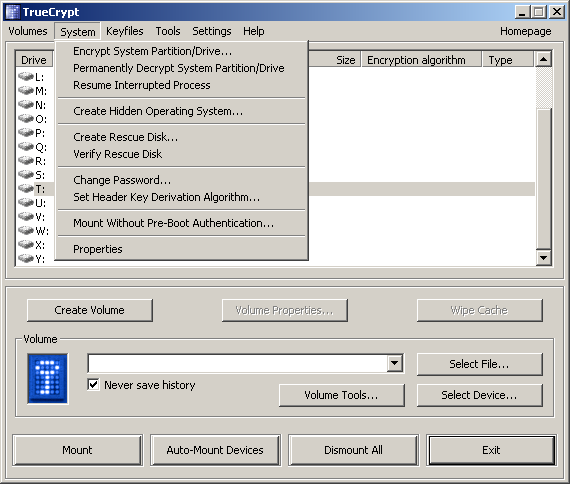
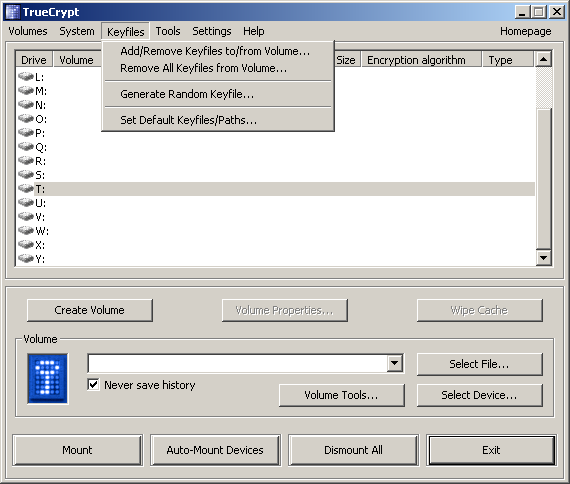
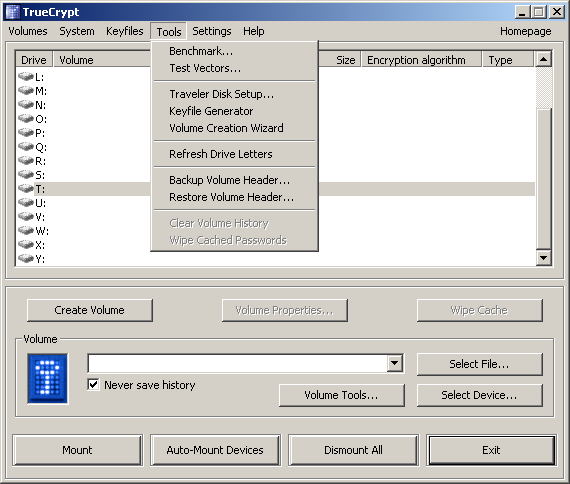
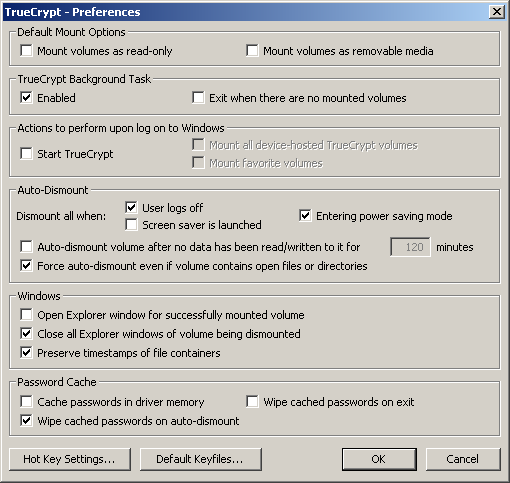
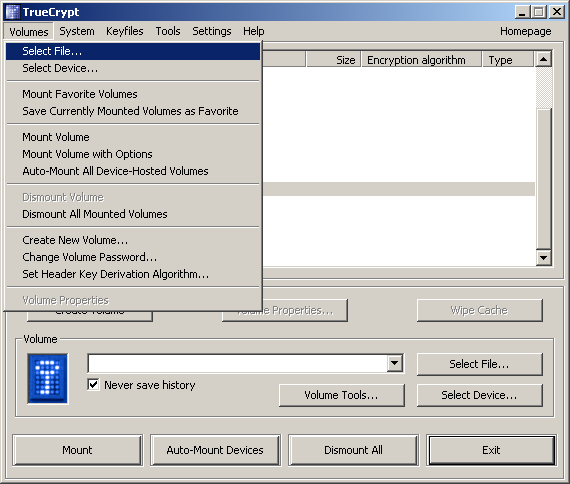
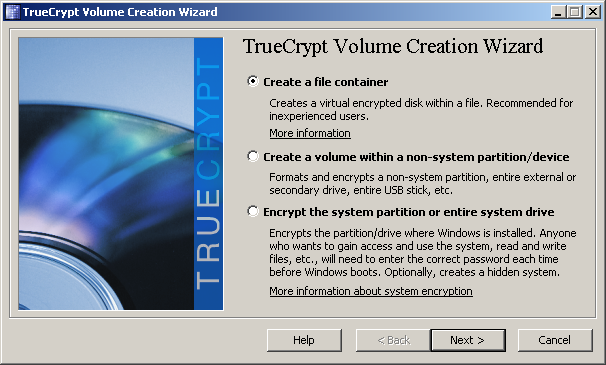
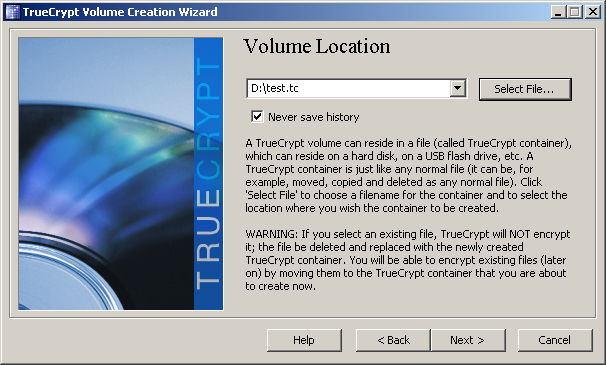
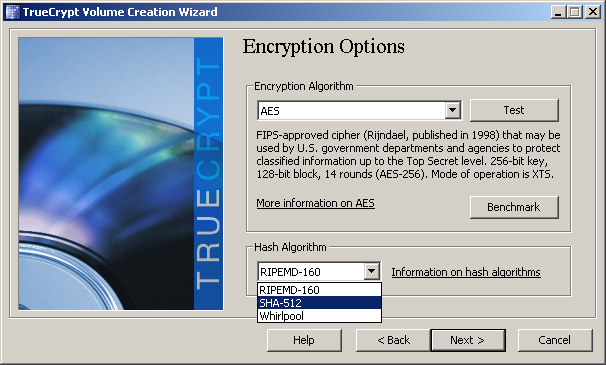
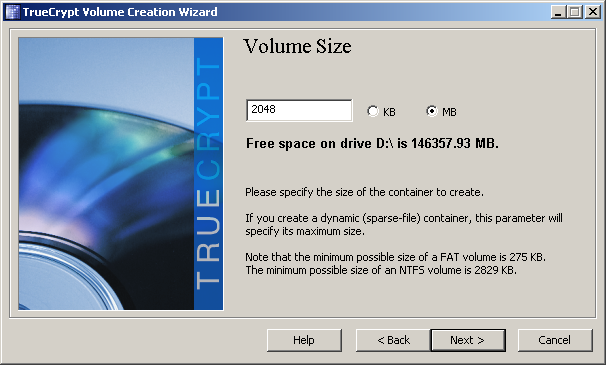
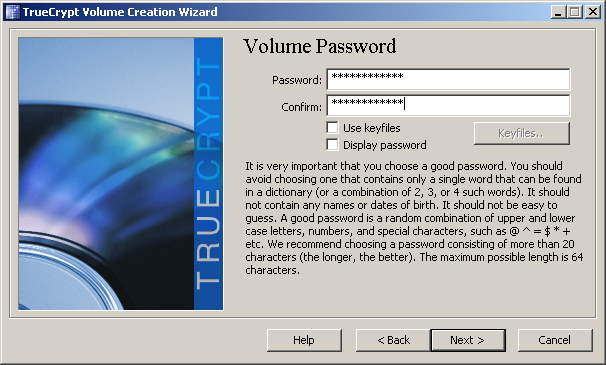
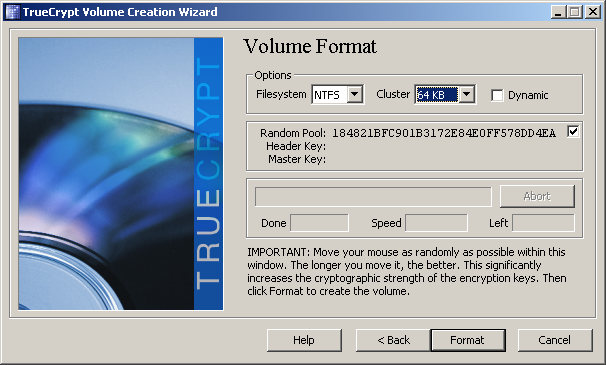
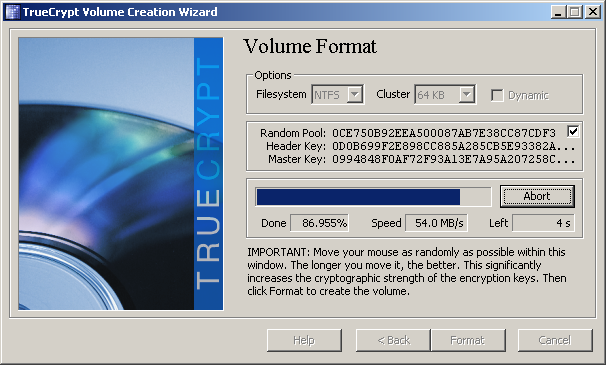
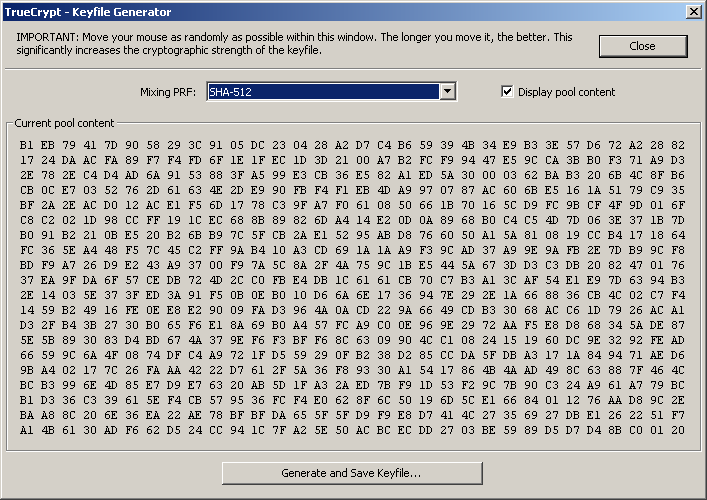
Bildstrecke „TrueCrypt 6.0“ (17 Bilder)
TrueCrypt 6.0

Anders als bei Windows XP bietet TrueCrypt 6.0 unter Windows Vista oder Server 2008 die Funktion der kompletten System-Verschlüsselung, wenn zusätzliche erweiterte Partitionen und logische Laufwerke auf der Festplatte vorhanden sind. Ein neues Volume-Format soll vor allem die Zuverlässigkeit und Erweiterbarkeit steigern. Dazu wurde unter anderem der Volume-Header auf 128 KB vergrößert, um zusätzliche Daten für z.B. neue Features in kommenden Versionen ablegen zu können. Desweiteren wurde ein neuer Embedded-Backup-Header eingeführt, welcher am Ende jedes TrueCrypt-Volumes gespeichert wird und das Risiko eines defekten Volume-Headers deutlich minimieren soll.

Benutzer von Linux- oder Mac-OS-X-Systemen sind mit der Version 6.0 nun ebenfalls in der Lage, versteckte Volumes zu erstellen. Unter Linux arbeitet TrueCrypt ab sofort im internen Kryptografie-Dienst des Kernels. Dies gilt jedoch lediglich für Volumes, welche mit dem XTS-Modus verschlüsselt wurden. Für Volumes, die mit LRW oder CBC arbeiten, ist weiterhin eine Installation und Nutzung des FUSE-Treibers erforderlich – gleiches gilt auch für ältere Kernel-Versionen ohne XTS-Unterstützung.

TrueCrypt 6.0 (Mean Speed, Buffer: 100 MB)

 AES:
Dual Intel Xeon E5450
877,0
Dual Intel Xeon E5420
719,0
Dual Intel Xeon E5320 @ 2,33 GHz
627,0
Intel Core 2 Quad Q9550 @ 3,82 GHz
555,0
Intel Xeon X3360 @ 3,8 GHz
540,0
Intel Xeon X3350 @ 3,6 GHz
526,0
Intel Core 2 Quad Q6600 @ 3,4 GHz
500,0
AMD Phenom 9850 BE @ 3,0 GHz
477,0
Intel Xeon X3350 @ 3,4 GHz
475,0
Intel Xeon X3350 @ 3,2 GHz (2)
468,0
Intel Core 2 Quad Q9450 @ 3,2 GHz
460,0
Intel Core 2 Quad Q9450 @ 3,2 GHz (2)
460,0
Intel Xeon X3350 @ 3,2 GHz
432,0
Intel Core 2 Quad Q9450 @ 3,3 GHz
416,0
Intel Core 2 Quad Q6600 @ 3,0 GHz
415,0
Intel Core 2 Quad Q6600 @ 3,0 GHz (2)
412,0
AMD Phenom 9850
392,0
Intel Core 2 Quad Q9450
385,0
AMD Phenom 9750
367,0
Intel Core 2 Quad Q6600
347,0
Intel Core 2 Quad Q6600 (2)
345,0
Intel Core 2 Duo E7200 @ 3,8 GHz
277,0
Intel Core 2 Duo E8400 @ 3,75 GHz
274,0
Intel Core 2 Duo E8400 @ 3,65 GHz
261,0
Intel Core 2 Duo E8400 @ 3,63 GHz
259,0
Intel Core 2 Duo E6600 @ 3,6 GHz
252,0
Intel Core 2 Duo E6750 @ 3,5 GHz
252,0
Intel Core 2 Duo E8200 @ 3,48 GHz
251,0
Intel Core 2 Duo E6750 @ 3,4 GHz
248,0
AMD Athlon X2 5600+ @ 3,05 GHz
243,0
Intel Core 2 Duo E4500 @ 3,36 GHz
242,0
AMD Athlon X2 BE 5000+ @ 3,0 GHz
241,0
Intel Core 2 Duo E6600 @ 3,2 GHz (2)
235,0
Intel Pentium E2180 @ 3,2 GHz
235,0
AMD Athlon X2 EE 5000+ @ 2,9 GHz
228,0
AMD Athlon X2 5600+ 2,9 GHz
228,0
Intel Core 2 Duo E8400 @ 3,04 GHz
219,0
Intel Core 2 Duo E4300 @ 3,0 GHz
217,0
AMD Athlon X2 4600+ @ 2,75 GHz
215,0
Intel Core 2 Duo E6600 @ 3,0 GHz
215,0
AMD Athlon X2 3800+ @ 2,7 GHz
215,0
Intel Core 2 Duo E6600 @ 3,2 GHz
213,0
Intel Core 2 Duo E6600 @ 3,0 GHz (2)
211,0
Intel Pentium E2180 @ 3,0 GHz
208,0
Intel Core 2 Duo E6750
196,0
Intel Core 2 Duo E4400 @ 2,8 GHz
196,0
AMD Athlon X2 4200+ @ 2,6 GHz
195,0
AMD Athlon X2 4850e
195,0
Intel Core 2 Duo E4400 @ 2,7 GHz
193,0
Intel Core 2 Duo E4400 @ 2,66 GHz
188,0
Intel Core 2 Duo E6750 (2)
186,0
Intel Core 2 Duo E7200
185,0
Intel Core 2 Duo T7700
171,0
Intel Core 2 Duo T8300
169,0
Intel Pentium D 805 @ 3,17 GHz
167,0
AMD Athlon X2 BE-2350
166,0
Intel Core 2 Duo E6300 @ 2,33 GHz
162,0
AMD Athlon X2 3800+ 2,0 GHz
161,0
AMD Athlon X2 3800+ 2,0 GHz
160,0
AMD Athlon X2 4050e
158,0
Intel Core 2 Duo T7400
157,0
Intel Core 2 Duo E6600
156,0
AMD Turion X2 TL-60
152,0
Intel Core 2 Duo T7250
144,0
Intel Core 2 Duo T7250 (2)
134,0
Intel Pentium D 805 2,66 GHz
132,0
Intel Core 2 Duo E4300
129,0
Intel Core 2 Duo T2500
125,0
Intel Core 2 Duo T2400
124,0
Intel Core 2 Duo T2400
122,0
Intel Core 2 Duo T5500
119,0
AMD Athlon 64 3700+
84,2
AMD Athlon XP 2800+
71,9
AMD Athlon XP 2400+ @ 2,0 GHz
70,8
Intel Pentium IV 2,53 GHz (Northwood)
63,3
Intel Celeron 2,4 GHz (Northwood)
60,1
Intel Pentium IV 2,4 GHz (Northwood)
60,0
AMD Duron 1,6 GHz
55,5
Intel Pentium M 1400 MHz (Banias)
46,2
Intel Pentium IV M 1,8 GHz
42,7
Intel Pentium M 713
36,1
Intel Atom N270 1,6 GHz
28,4
AMD Athlon 1,0 @ 1,12 GHz
27,6
Intel Pentium III 500 MHz
14,2
 AES-Twofish-Serpent:
Dual Intel Xeon E5450
203,0
Dual Intel Xeon E5420
167,0
Dual Intel Xeon E5320 @ 2,33 GHz
149,0
Intel Core 2 Quad Q9550 @ 3,82 GHz
128,0
Intel Xeon X3360 @ 3,8 GHz
125,0
Intel Xeon X3350 @ 3,6 GHz
121,0
Intel Core 2 Quad Q6600 @ 3,4 GHz
114,0
Intel Xeon X3350 @ 3,4 GHz
110,0
Intel Xeon X3350 @ 3,2 GHz (2)
108,0
Intel Xeon X3350 @ 3,2 GHz
106,0
AMD Phenom 9850 BE @ 3,0 GHz
106,0
Intel Core 2 Quad Q9450 @ 3,2 GHz (2)
106,0
Intel Core 2 Quad Q6600 @ 3,0 GHz
99,0
Intel Core 2 Quad Q9450 @ 3,3 GHz
99,0
Intel Core 2 Quad Q6600 @ 3,0 GHz (2)
96,9
Intel Core 2 Quad Q9450 @ 3,2 GHz
93,5
Intel Core 2 Quad Q9450
89,7
AMD Phenom 9850
87,4
AMD Phenom 9750
82,6
Intel Core 2 Quad Q6600 (2)
80,8
Intel Core 2 Quad Q6600
80,6
Intel Core 2 Duo E7200 @ 3,8 GHz
63,6
Intel Core 2 Duo E8400 @ 3,75 GHz
62,1
Intel Core 2 Duo E8400 @ 3,65 GHz
60,8
Intel Core 2 Duo E8400 @ 3,63 GHz
60,7
Intel Core 2 Duo E6600 @ 3,6 GHz
58,8
Intel Core 2 Duo E6750 @ 3,5 GHz
58,8
Intel Core 2 Duo E8200 @ 3,48 GHz
58,1
Intel Core 2 Duo E6750 @ 3,4 GHz
57,1
Intel Core 2 Duo E4500 @ 3,36 GHz
55,8
Intel Core 2 Duo E6600 @ 3,2 GHz (2)
54,5
Intel Pentium E2180 @ 3,2 GHz
54,0
AMD Athlon X2 5600+ @ 3,05 GHz
52,3
AMD Athlon X2 BE 5000+ @ 3,0 GHz
51,7
Intel Core 2 Duo E8400 @ 3,04 GHz
50,6
Intel Core 2 Duo E4300 @ 3,0 GHz
50,4
Intel Core 2 Duo E6600 @ 3,0 GHz
50,0
Intel Core 2 Duo E6600 @ 3,0 GHz (2)
49,6
Intel Core 2 Duo E6600 @ 3,2 GHz
49,3
Intel Pentium E2180 @ 3,0 GHz
48,9
AMD Athlon X2 EE 5000+ @ 2,9 GHz
48,7
AMD Athlon X2 5600+ 2,9 GHz
48,6
AMD Athlon X2 4600+ @ 2,75 GHz
46,5
AMD Athlon X2 3800+ @ 2,7 GHz
45,9
Intel Core 2 Duo E4400 @ 2,8 GHz
45,4
Intel Core 2 Duo E6750
45,3
Intel Core 2 Duo E4400 @ 2,7 GHz
44,7
AMD Athlon X2 4200+ @ 2,6 GHz
44,4
Intel Core 2 Duo E4400 @ 2,66 GHz
43,7
Intel Core 2 Duo E7200
43,0
Intel Core 2 Duo E6750 (2)
42,3
AMD Athlon X2 4850e
42,2
Intel Pentium D 805 @ 3,17 GHz
39,8
Intel Core 2 Duo T7700
39,3
Intel Core 2 Duo T8300
38,3
Intel Core 2 Duo E6300 @ 2,33 GHz
37,8
Intel Core 2 Duo T7400
36,6
AMD Athlon X2 BE-2350
36,0
AMD Athlon X2 3800+ 2,0 GHz
34,5
AMD Athlon X2 3800+ 2,0 GHz
34,4
Intel Core 2 Duo E6600
34,4
AMD Athlon X2 4050e
33,9
Intel Core 2 Duo T7250
33,5
Intel Core 2 Duo T7250 (2)
32,3
AMD Turion X2 TL-60
32,0
Intel Pentium D 805 2,66 GHz
31,1
Intel Core 2 Duo E4300
30,3
Intel Core 2 Duo T2500
27,9
Intel Core 2 Duo T5500
27,5
Intel Core 2 Duo T2400
27,5
Intel Core 2 Duo T2400
27,1
AMD Athlon 64 3700+
18,5
AMD Athlon XP 2800+
16,5
AMD Athlon XP 2400+ @ 2,0 GHz
16,1
AMD Duron 1,6 GHz
12,3
Intel Pentium IV 2,53 GHz (Northwood)
10,6
Intel Celeron 2,4 GHz (Northwood)
10,2
Intel Pentium IV 2,4 GHz (Northwood)
10,1
Intel Pentium M 1400 MHz (Banias)
10,1
Intel Atom N270 1,6 GHz
9,1
Intel Pentium M 713
7,9
AMD Athlon 1,0 @ 1,12 GHz
7,3
Intel Pentium IV M 1,8 GHz
5,1
Intel Pentium III 500 MHz
3,4
Angaben in Megabyte pro Sekunde (MB/s)

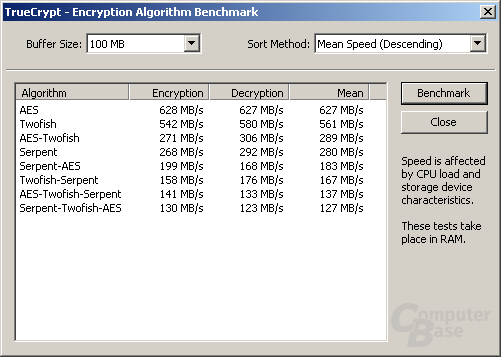
Wie schön zu erkennen ist, skaliert die Performance fast linear mit der Anzahl der Prozessorkerne. Das System mit zwei Intel Xeon E5320 Quad-Core-Prozessoren (8 x 2,33 GHz) erreicht eine fast viermal so hohe Performance gegenüber dem mit einem Core 2 Duo T7700 Prozessor (2 x 2,40 GHz) bestückten System. Sogar bei der Kombination der drei Algorithmen AES, Serpent und Twofish werden mit modernen Dual- oder Quad-Core-Systemen durchaus brauchbare Geschwindigkeiten erzielt. Getestet wurde mit einem 100 MByte großen Puffer.

Um eine bessere Vergleichsmöglichkeit zu bieten, möchten wir allen Benutzern von ComputerBase anbieten, unter Berücksichtung der Einstellung eines 100 MB großen Puffers und des Postens eines entsprechenden Screenshots die erreichten Werte in das Diagramm aufnehmen zu lassen.

Download: TrueCrypt
In Kooperation mit Lycos Europe Network